Week 1 – the journey and getting to know the new environment
I packed for my trip one day before leaving for Poland. I travelled by FlixBus, boarding the bus at 1:15 a.m. We drove without any stops all the way to Austria, where we made our first stop before continuing towards Germany. At the German border, we were stopped by German border control, but they found no irregularities, so we continued our journey.
We arrived in Munich, where I waited for an hour and a half before changing to a bus to Berlin. There, I had a longer stop of 3 hours and 40 minutes. Everything went smoothly again, and I was able to continue my journey all the way to Szczecin. When I arrived, the project’s co-coordinator was waiting for me and drove me to my accommodation. On the way, she told me where everything was, but because it was late and dark, I couldn’t see much. She accompanied me to the apartment, gave me the keys and introduced me to my flatmates. She also told me that I could take the following day off, which I did, as I needed to unpack everything and get some sleep.
The next day was more relaxed. I had some introductory conversations with my flatmates and got along well with everyone. The day after that, following the coordinator’s instructions, I went to the office with one of my flatmates. There, I met the girls who work in the office. We had some good conversations, and they explained what my tasks would be and how everything works. To finish the day, we had an hour of Polish lessons.
I discovered that Polish is both difficult and easy for me. Some words were completely unfamiliar to me, while others were very similar to Croatian and Slovenian.
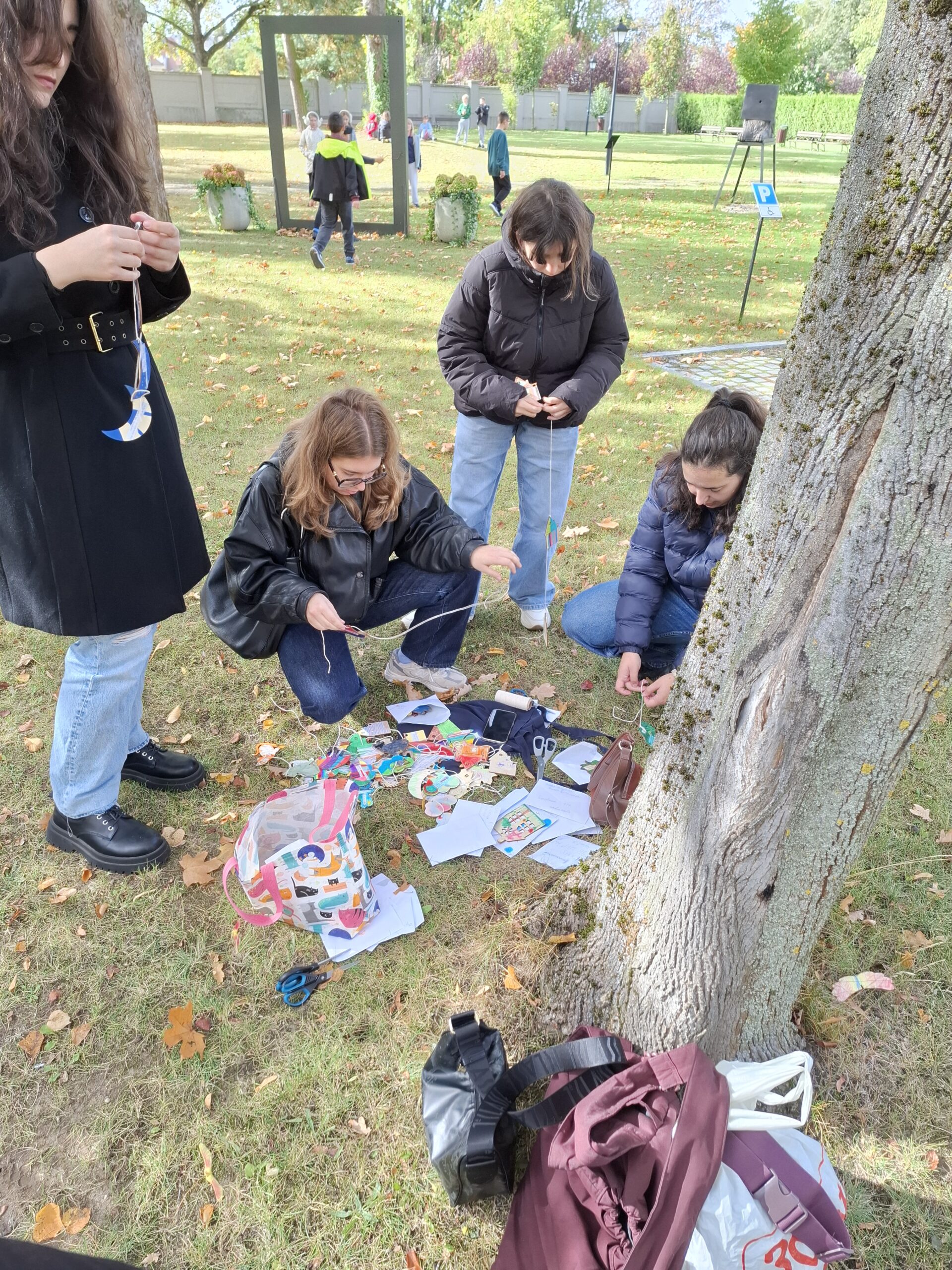
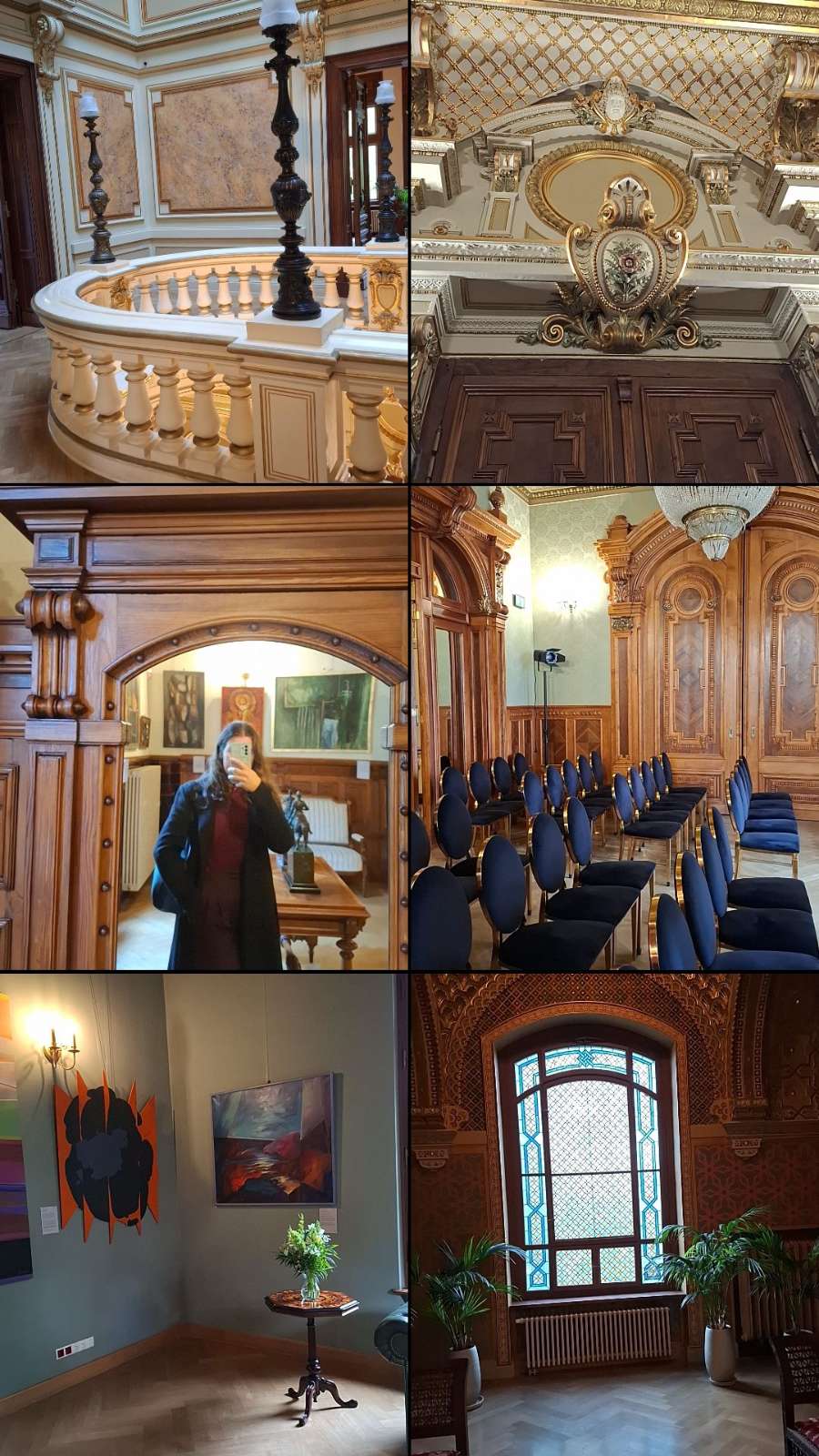
Friday arrived, bringing another day of getting to know the work at the office. My colleagues and I went to Villa Lentz, where we were welcomed by children from a school. While they attended a guided lesson about the history of the building, we had an hour of free time and explored Villa Lentz ourselves. After our independent visit, we joined the children and helped them tie poems to strings, which we later hung on a tree. This marked the end of my day and my first working week.
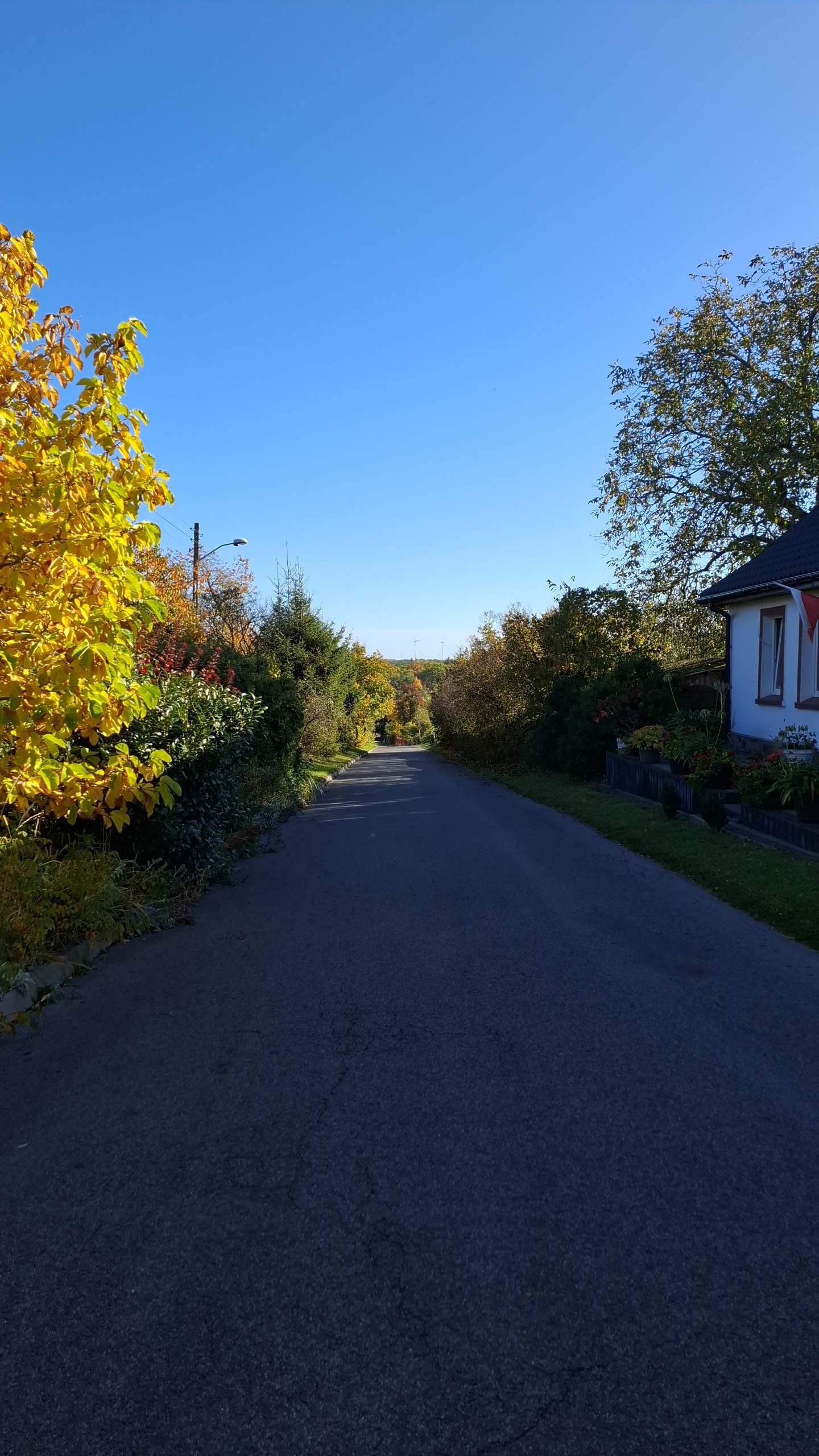
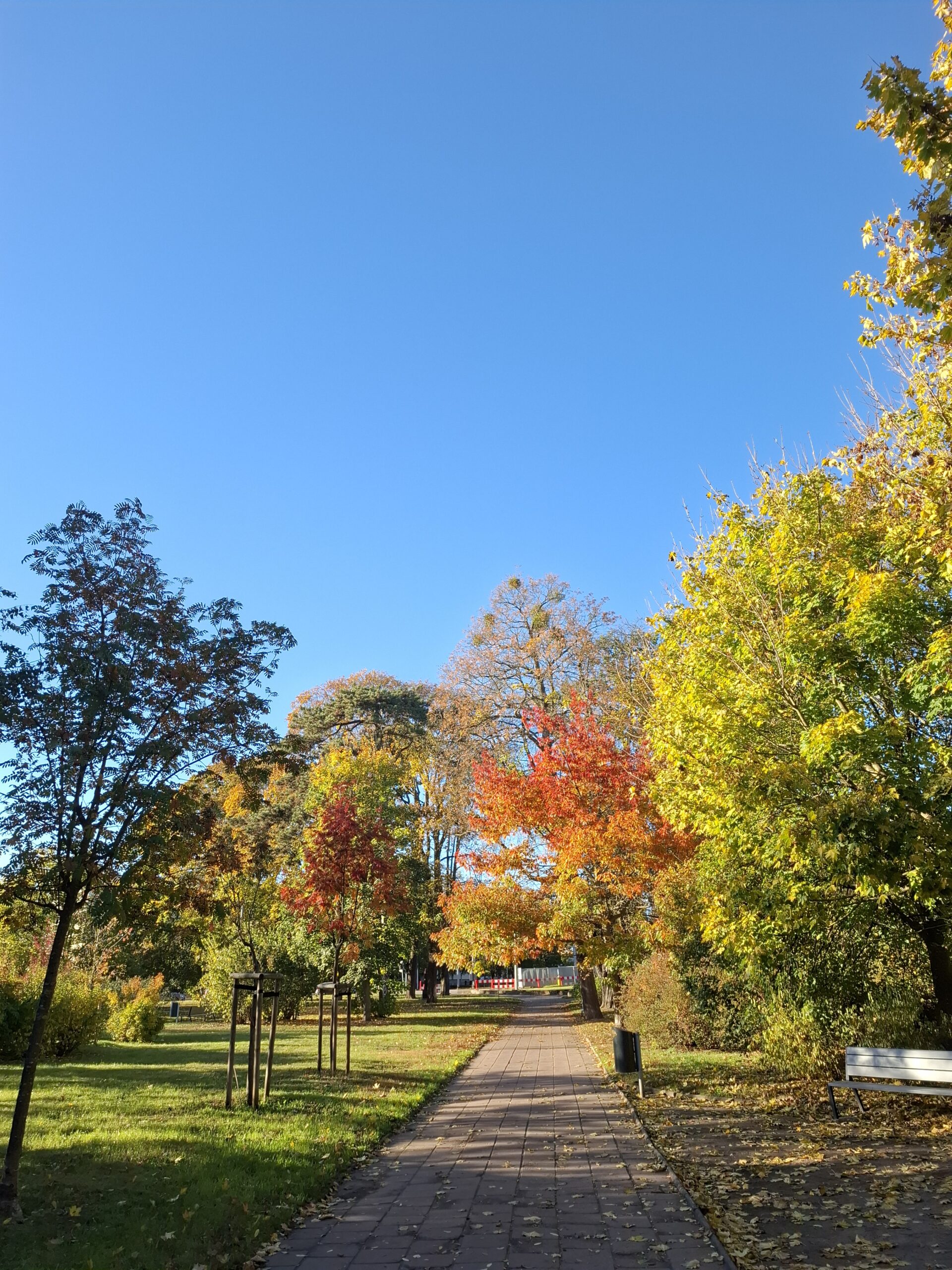
I used my free weekend to explore Szczecin a little and visit the nearby park, which is just across the street from my accommodation.
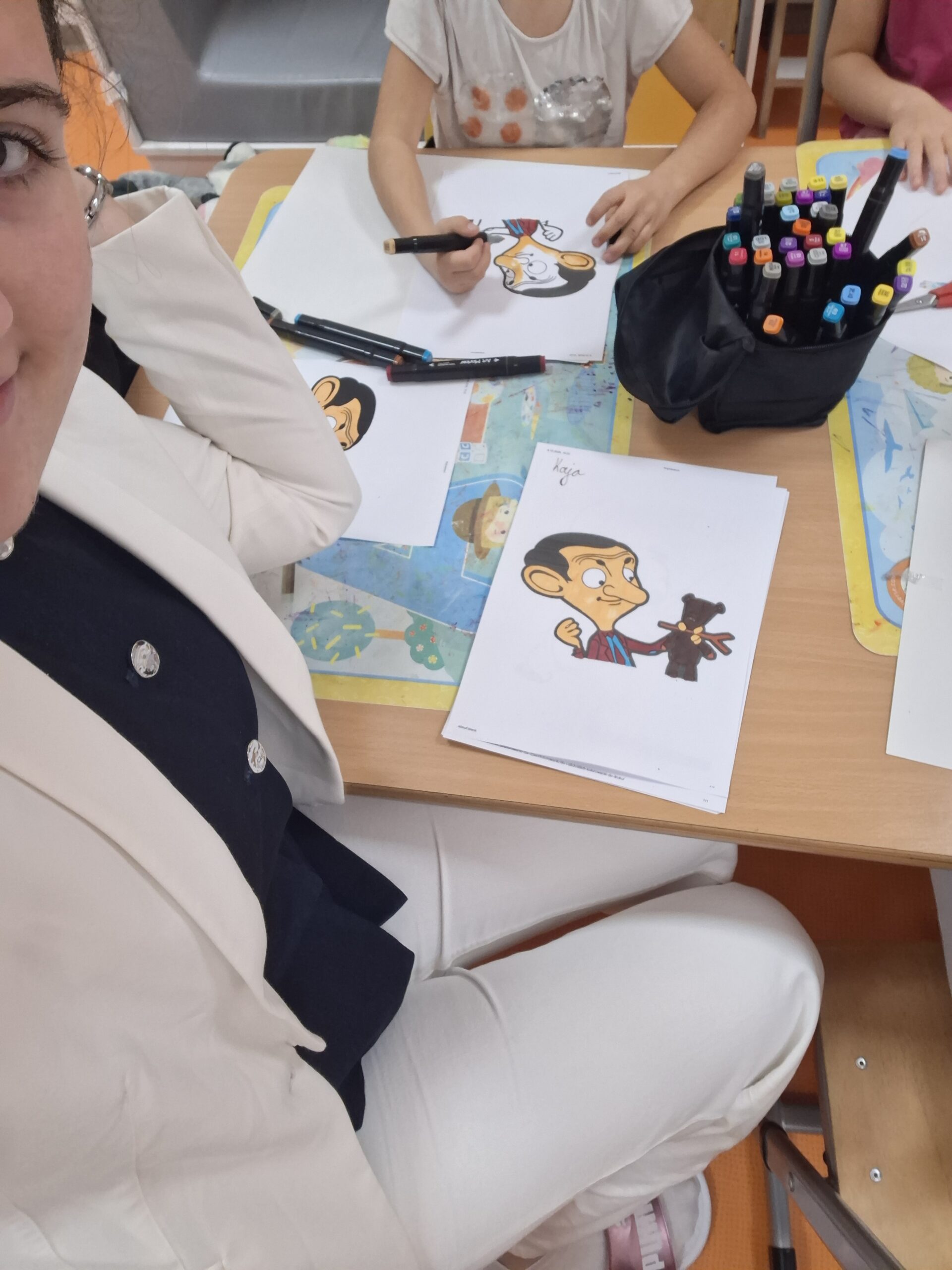
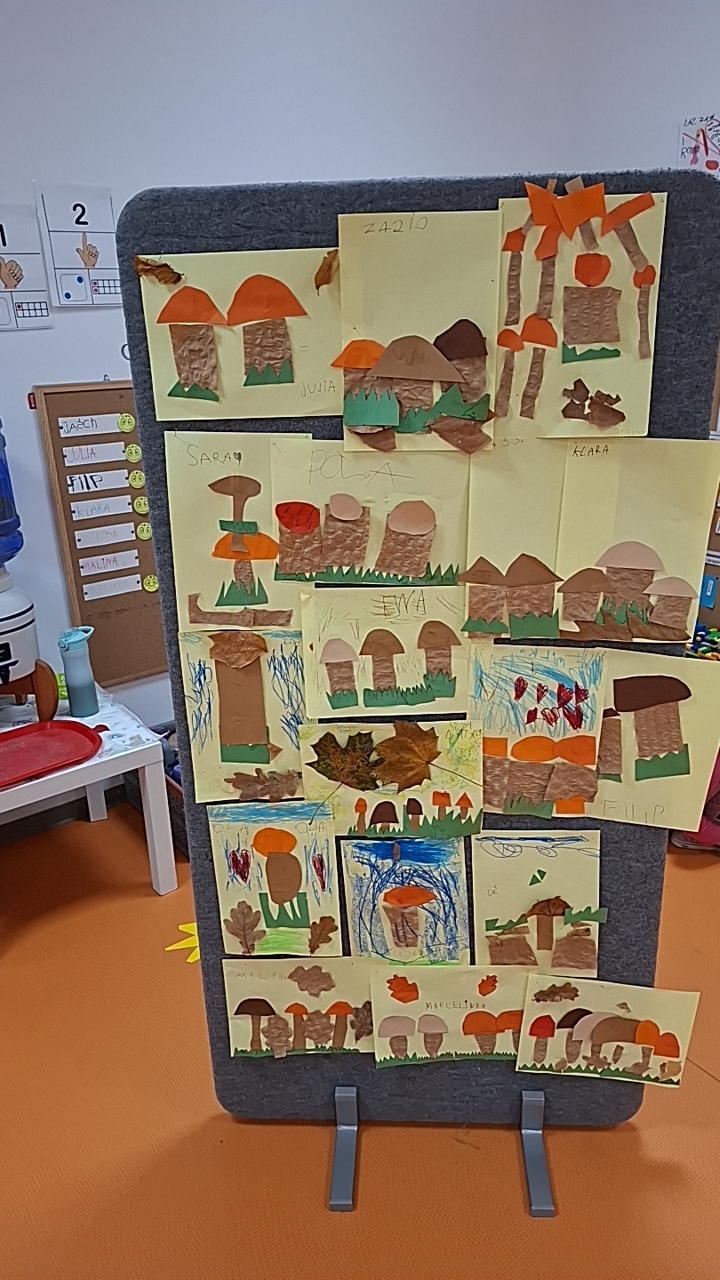
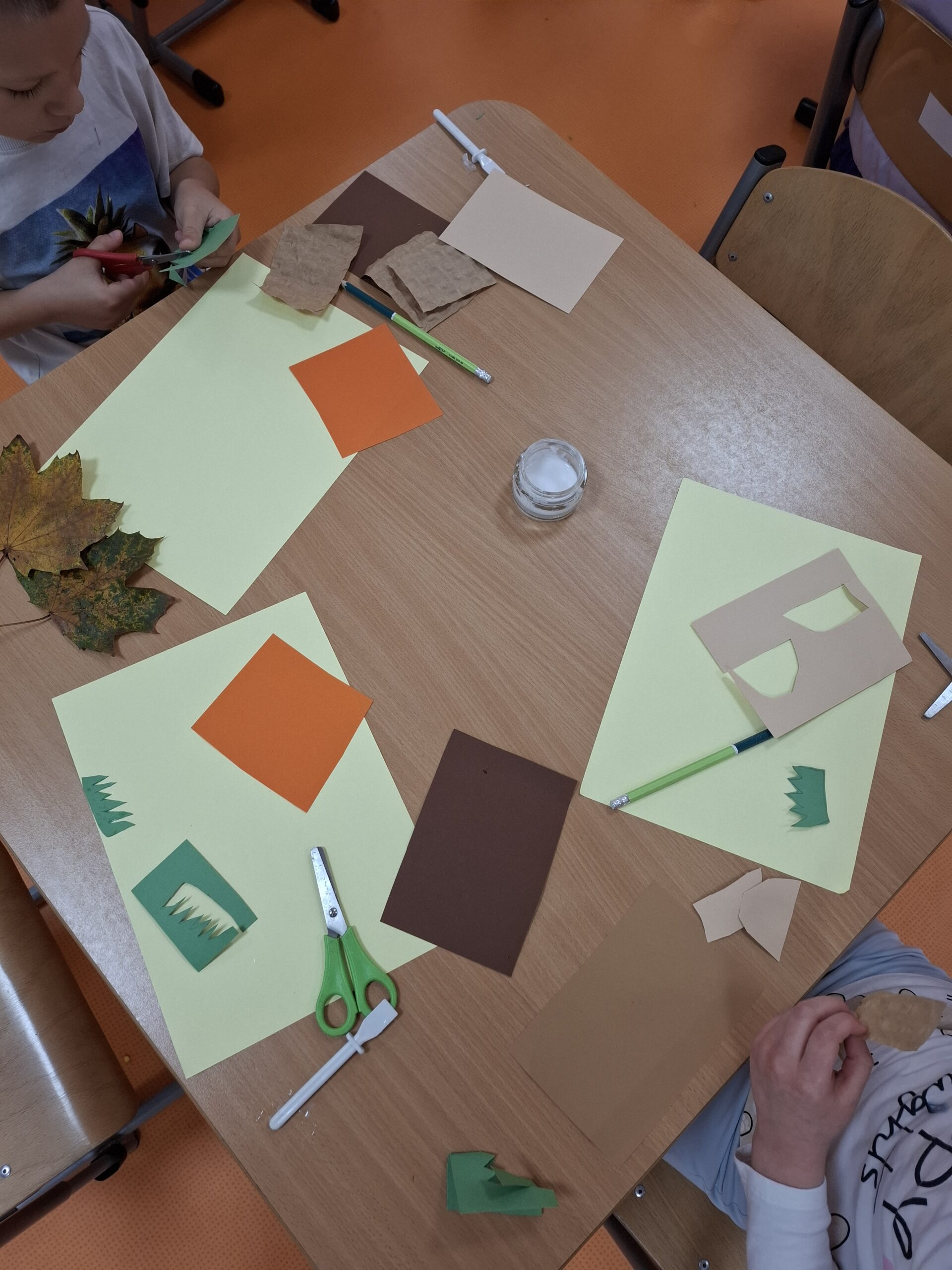
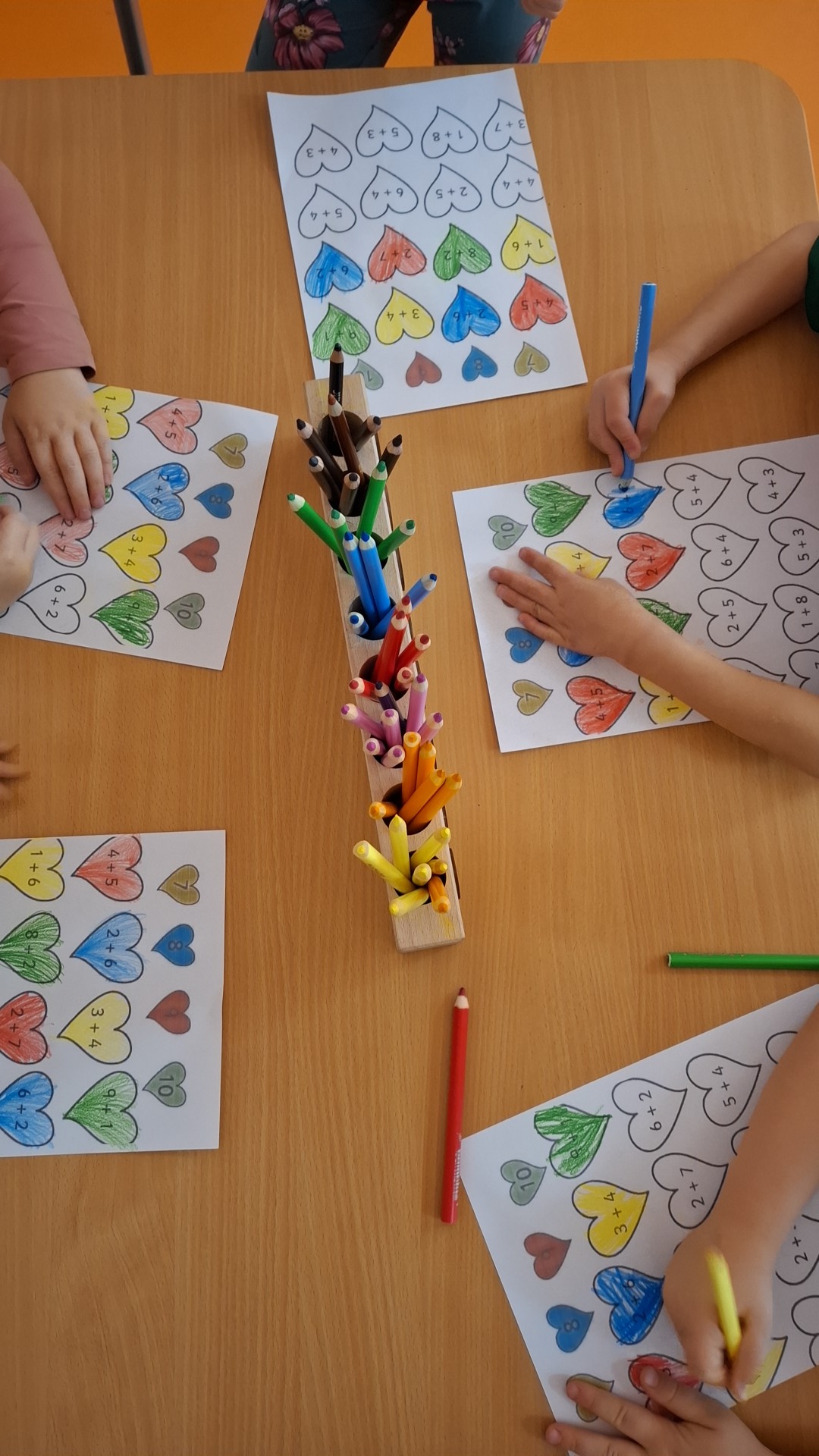
The second week in Poland, the first week at kindergarten.
On Monday, I went back to the office. There, I met with the coordinator, who gave me an overview of the upcoming activities, explained my duties and responsibilities, and introduced me to the rights I have as a volunteer. We had already had a similar conversation before the exchange via Zoom. During our in-person meeting, he also told me that he had contacted the kindergarten where I would be working and informed me that I would start working there the following day, on Tuesday.
And so Tuesday arrived, my first day at the kindergarten. I arrived fifteen minutes early because I wasn’t sure exactly where I was supposed to go. Beforehand, I had arranged to meet with the other volunteers working at the kindergarten so they could show me where to go. Besides the volunteers, the coordinator was also waiting for me. She is also a kindergarten teacher there. She showed me around the kindergarten and gave me a brochure explaining what a typical day looks like, what my responsibilities are, and what is not acceptable in this environment.
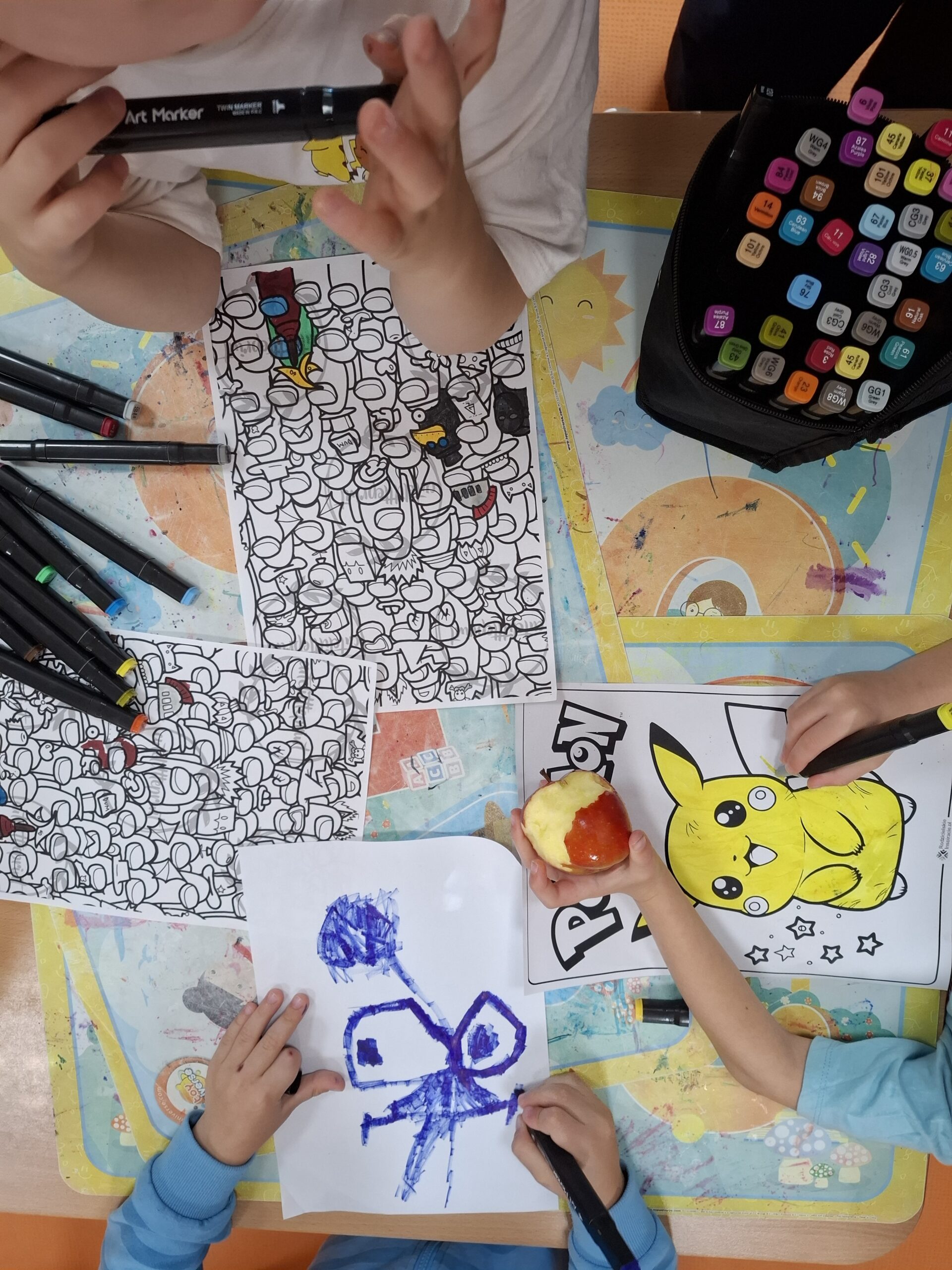
After that, she took me to my group and introduced me to the two teachers. Now, things were getting real! First, the teachers gathered all the children, and then we sat in a circle. Everyone introduced themselves, and the children started asking me questions about myself. Once we had got to know each other a little better, the children were given the task of drawing me. They seated me on a chair in the middle of the room, and the children got to work. Unfortunately, I haven’t seen the drawings yet because I had to leave in the meantime to take care of something urgent. I needed to complete the paperwork for my long-term stay in Poland. When I returned, the children had already finished their drawings and moved on to other classroom activities. My first day ended with lunch, or rather, a snack.
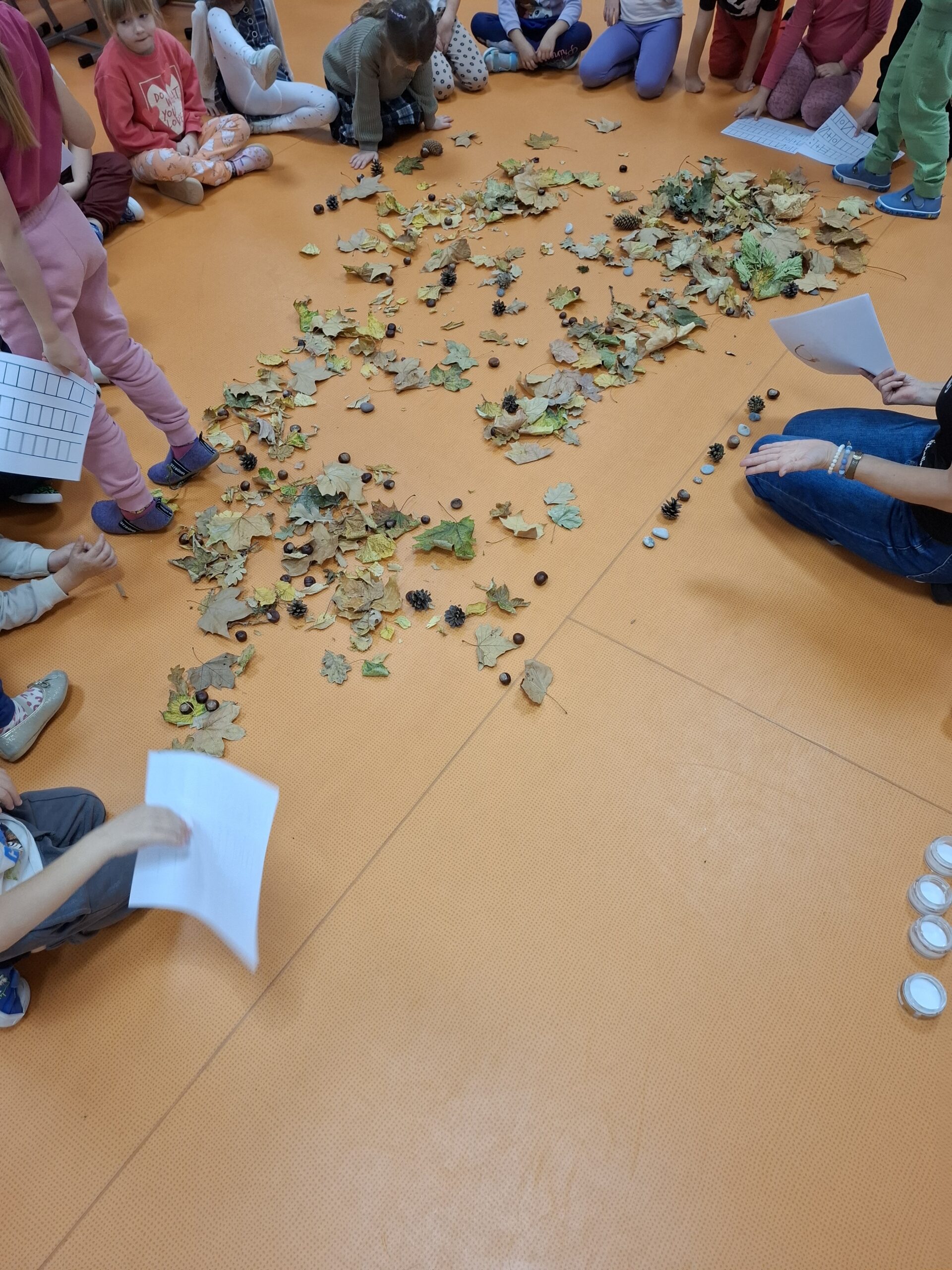
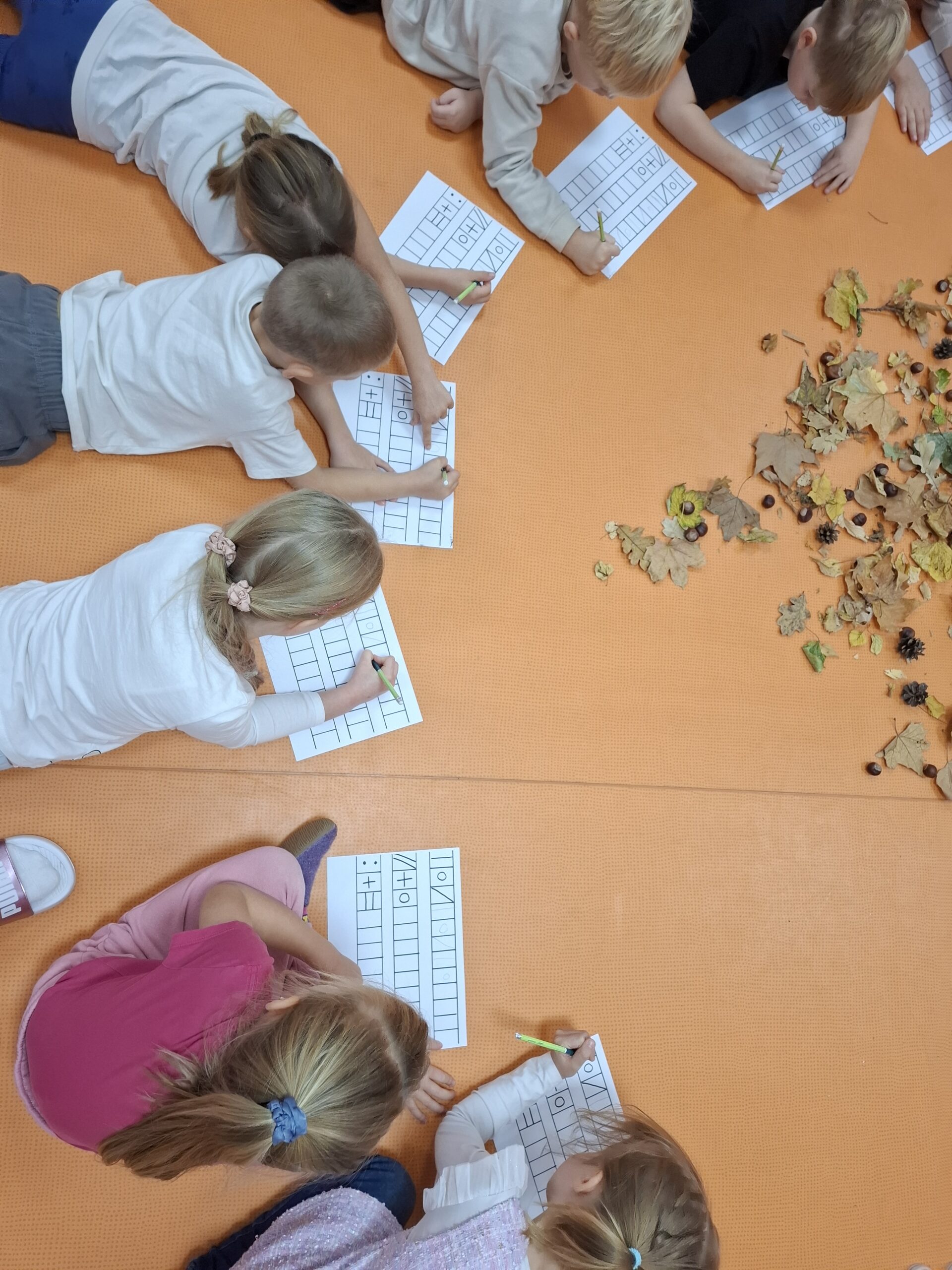
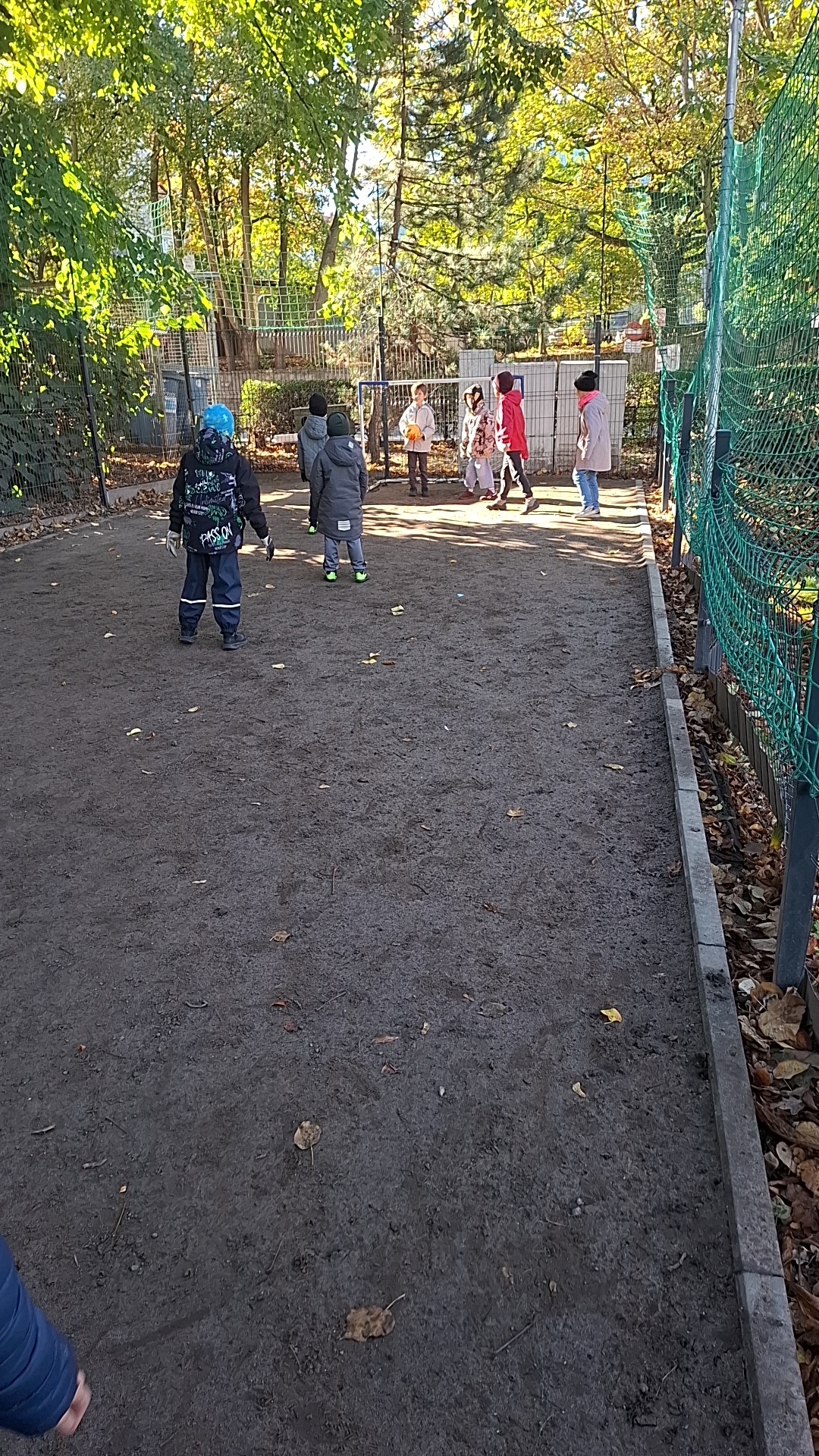
The next day, I was already confident enough to find my way to the classroom on my own. The day was similar to the previous one, except that on the first day, the children understood that I didn’t speak Polish. By the next day, however, they had completely forgotten and started asking me questions and telling me things in Polish. Despite that, the day went by without any major difficulties. The children had their usual activities, and I joined in. At one point, we went outside to play on the playground, then returned inside, where the children had soup waiting for them, followed by afternoon activities.
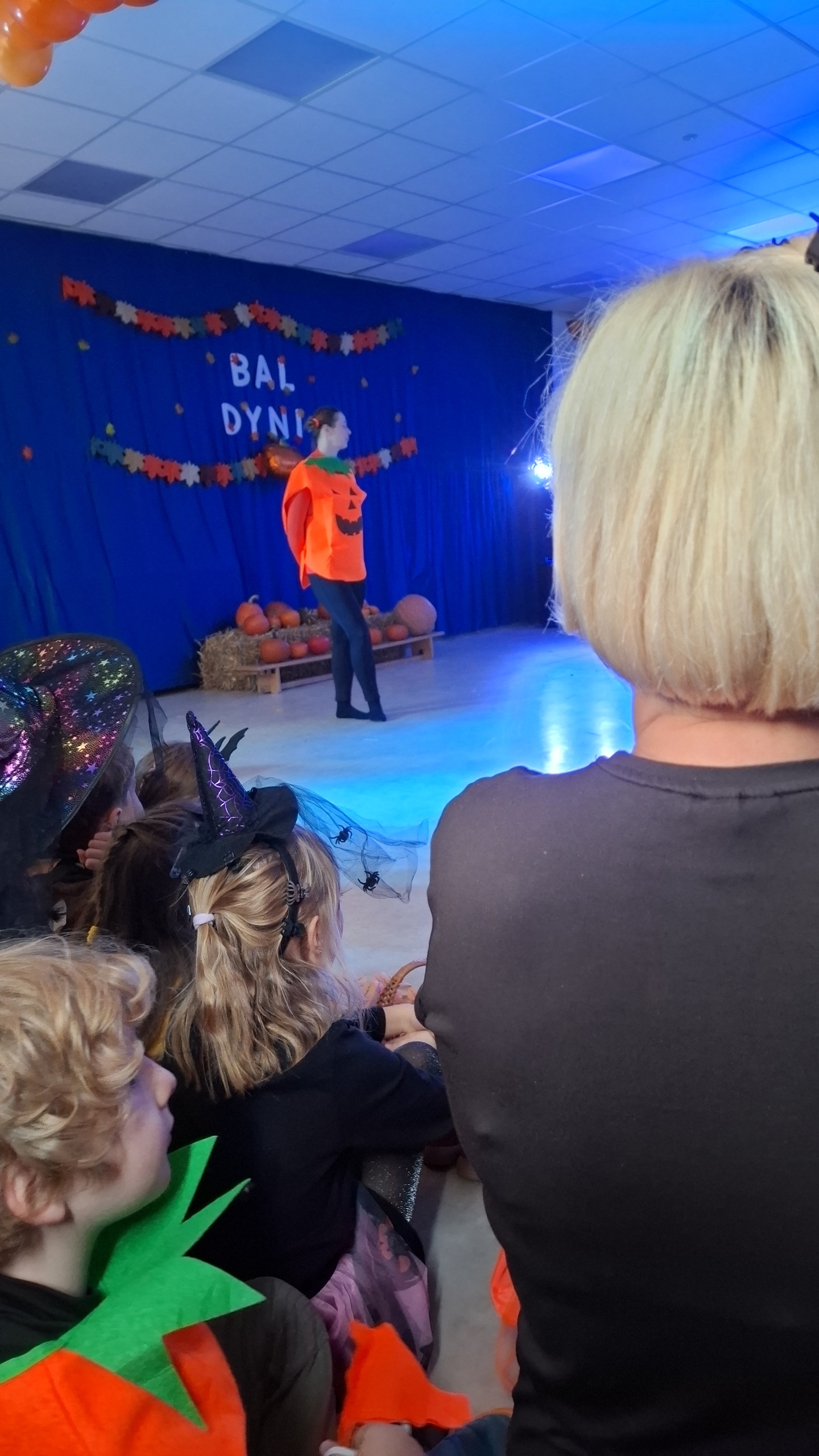
An average day at a Polish kindergarten is very similar to one at a Slovenian kindergarten. The main difference is the meal schedule: here, the children have breakfast first, followed by a snack consisting of fruit, then lunch, activities, soup, and another snack.
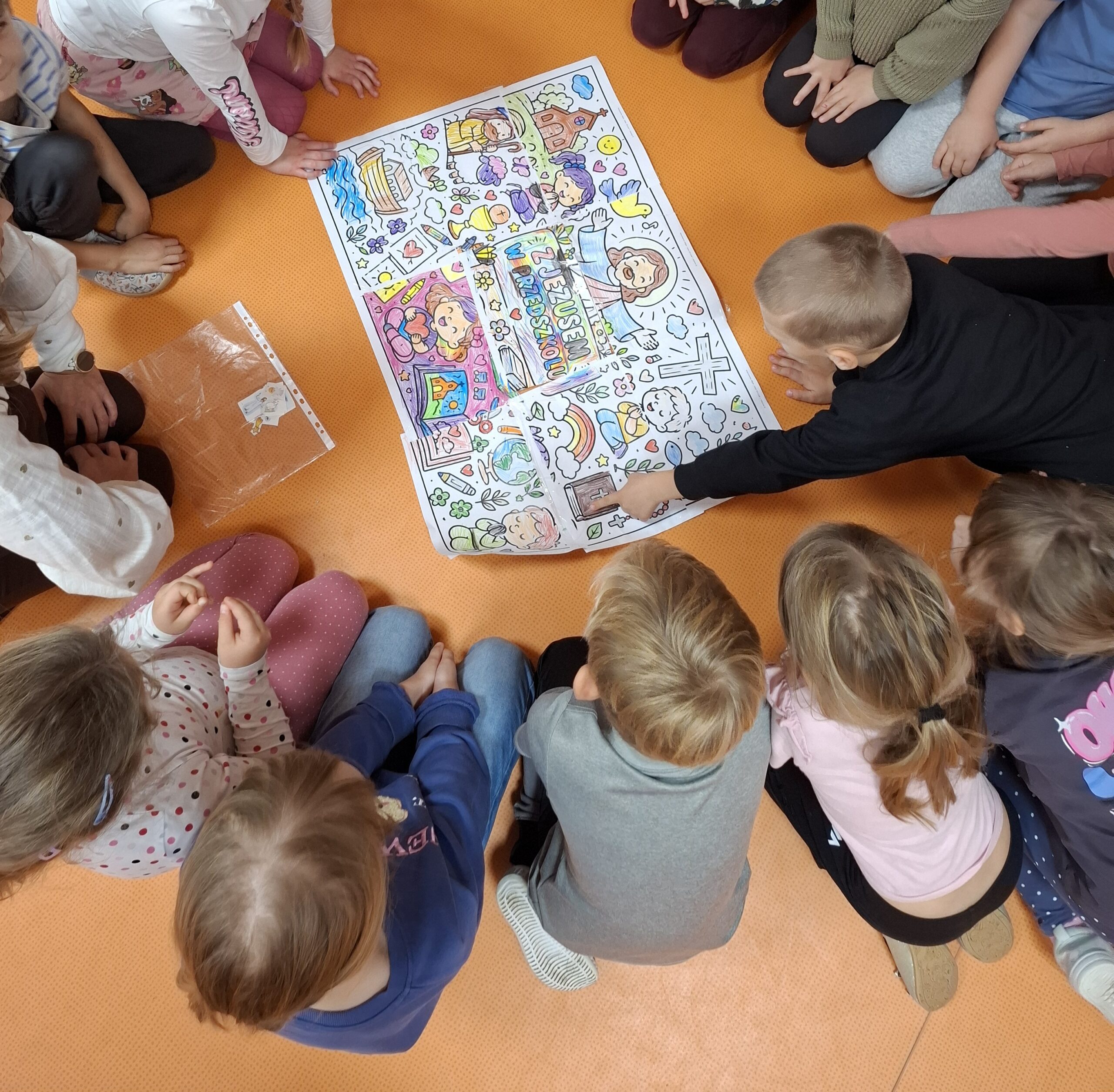
Tuesday and Wednesday were quite similar, with one exception: on Wednesday, the children had an hour dedicated to religious education. This really surprised me because we don’t have that in Slovenia. However, attendance is not compulsory, and if a child doesn’t want to participate, they are taken to another room or group during that time.
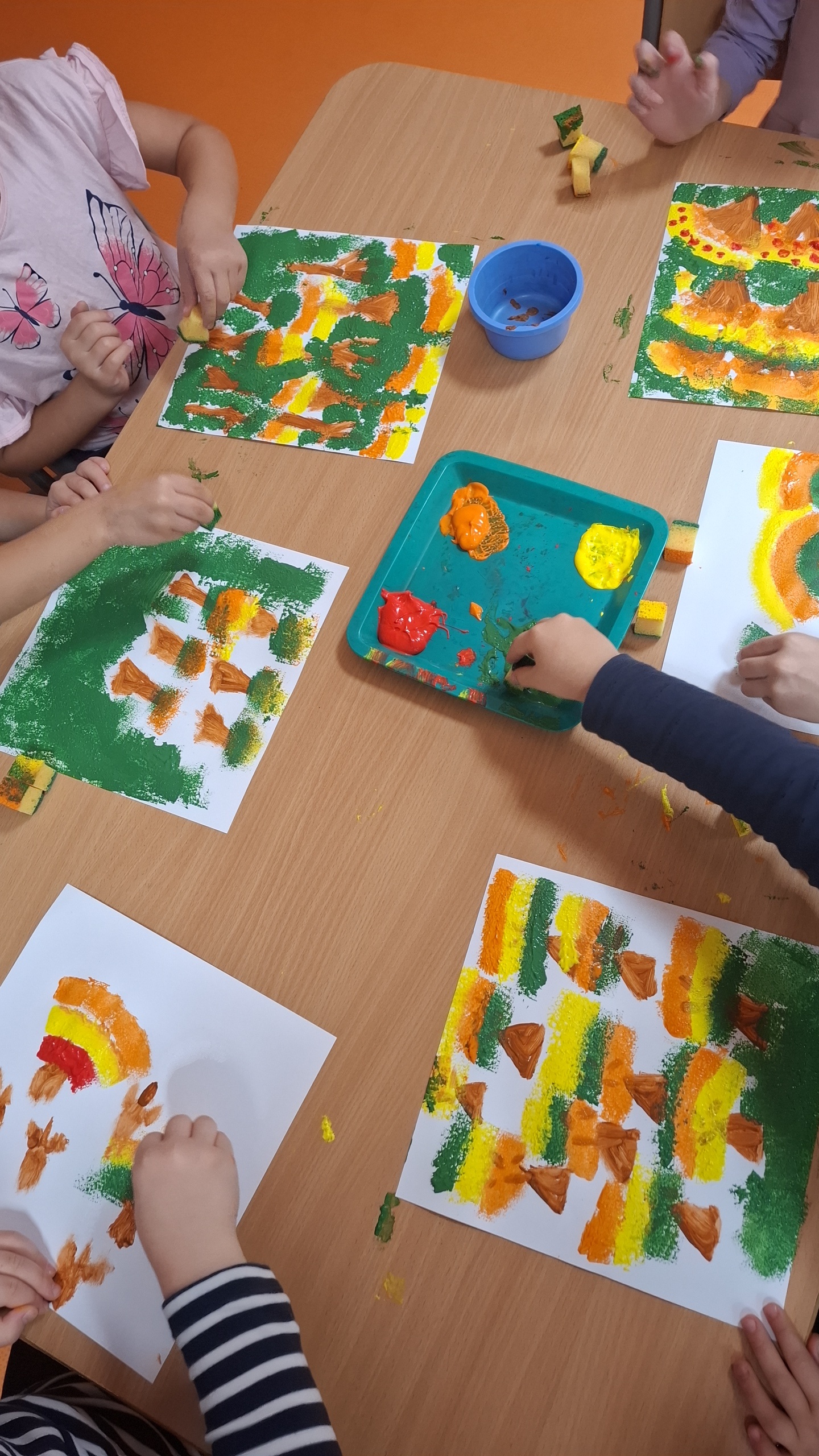
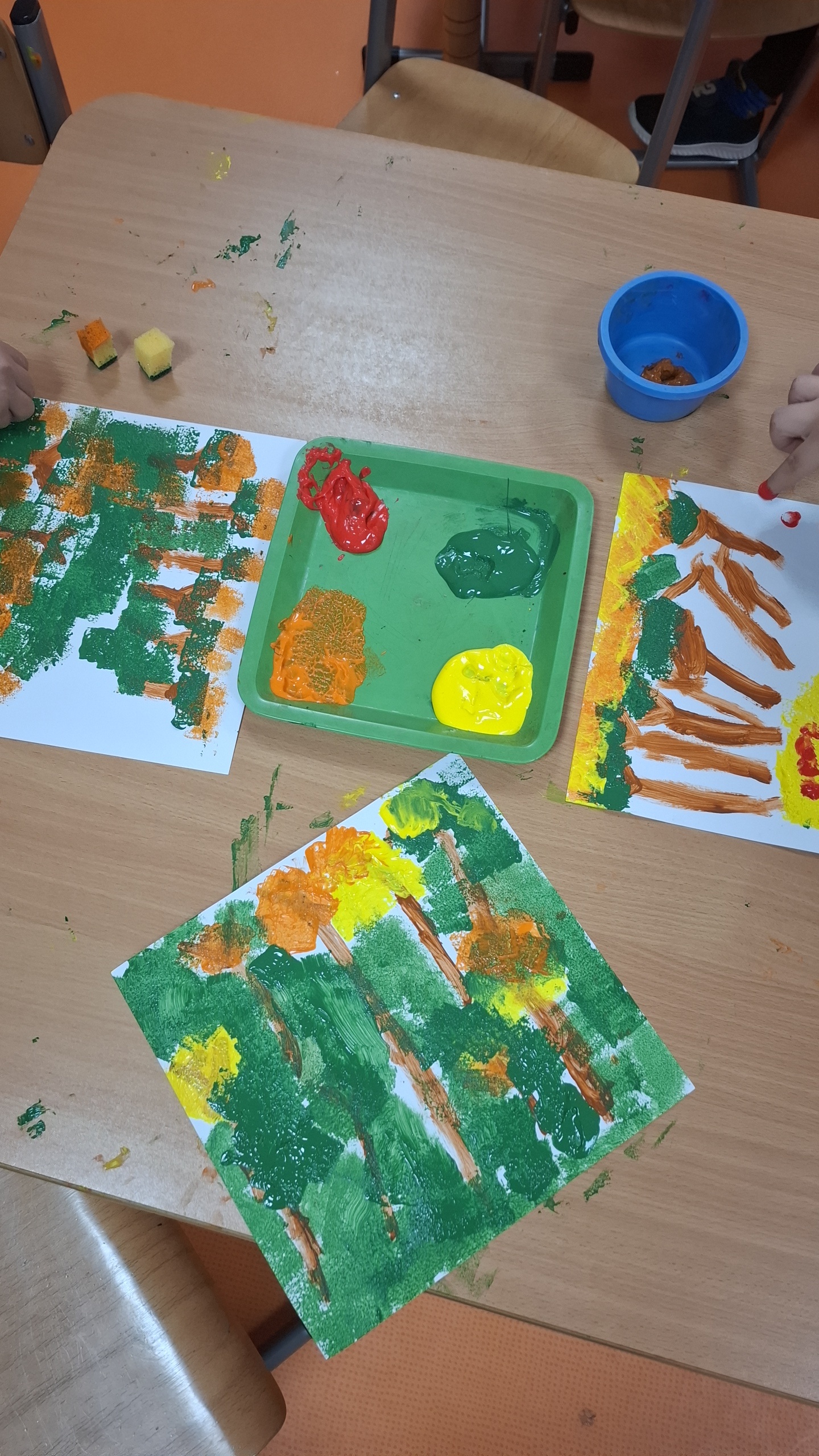
Then came Thursday and Friday, which were practically the same as the previous days. Of course, the children do different activities every day, as these are all part of their regular programme.
And just like that, my second week in Poland and my first week at kindergarten came to an end.
P.S. The Polish you hear on the streets and at university is very different from the Polish spoken at kindergarten. At kindergarten, they talk to the children and teach them basic things such as counting, reading, writing, colours, and English. This makes it easier for me to learn the language, too, because I’m learning alongside the children. On top of that, they talk about similar things every day, so the more often you hear certain words and expressions, the easier they are to remember.